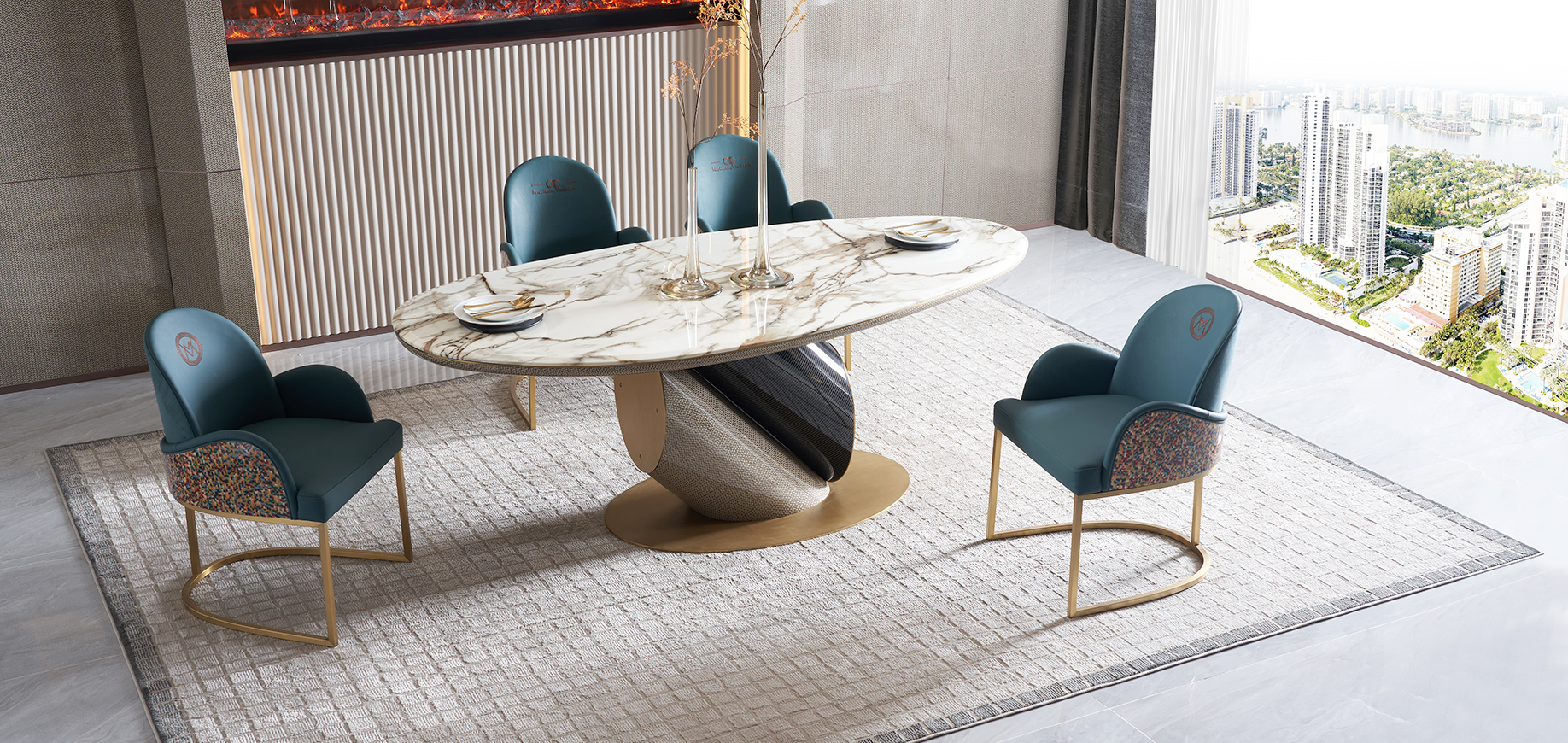
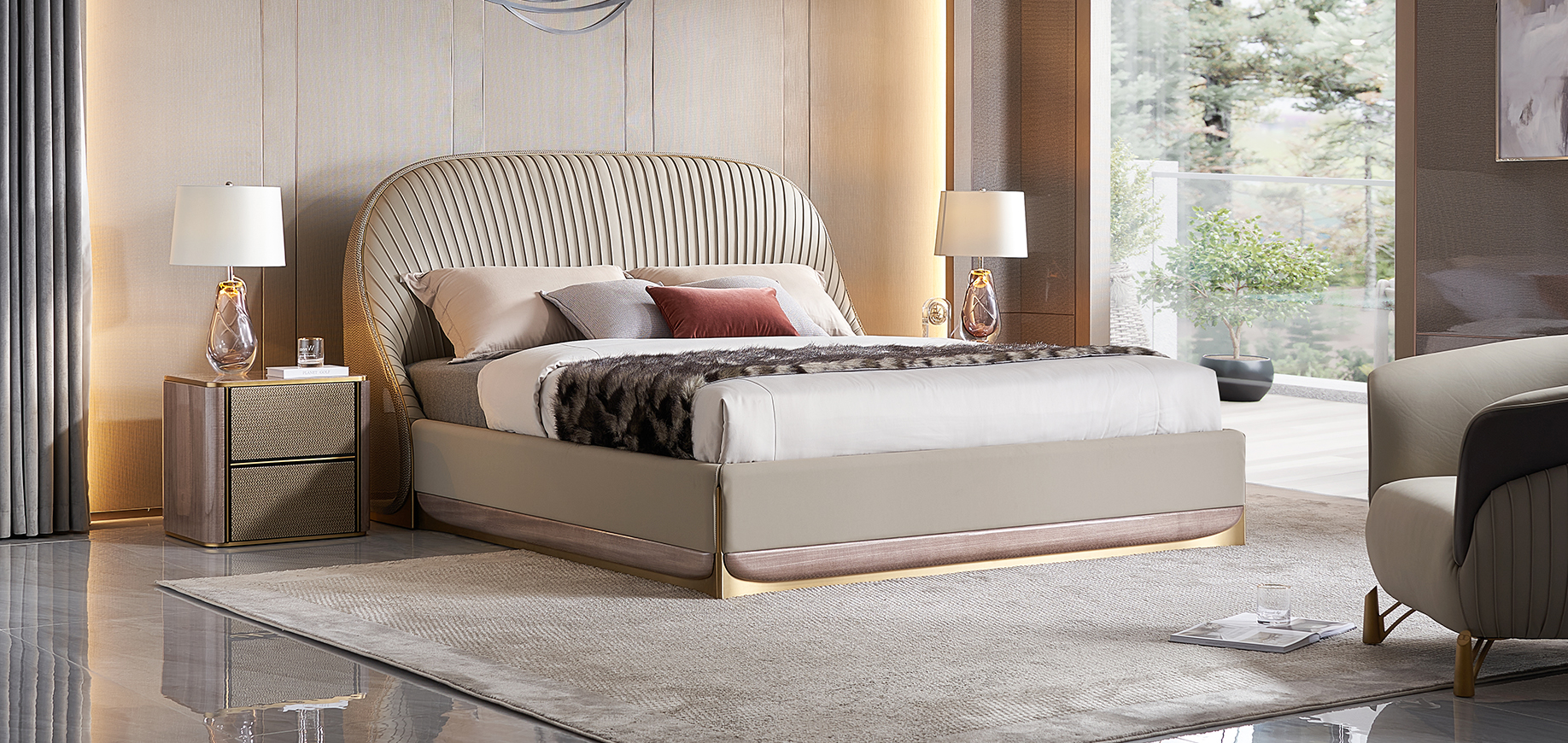
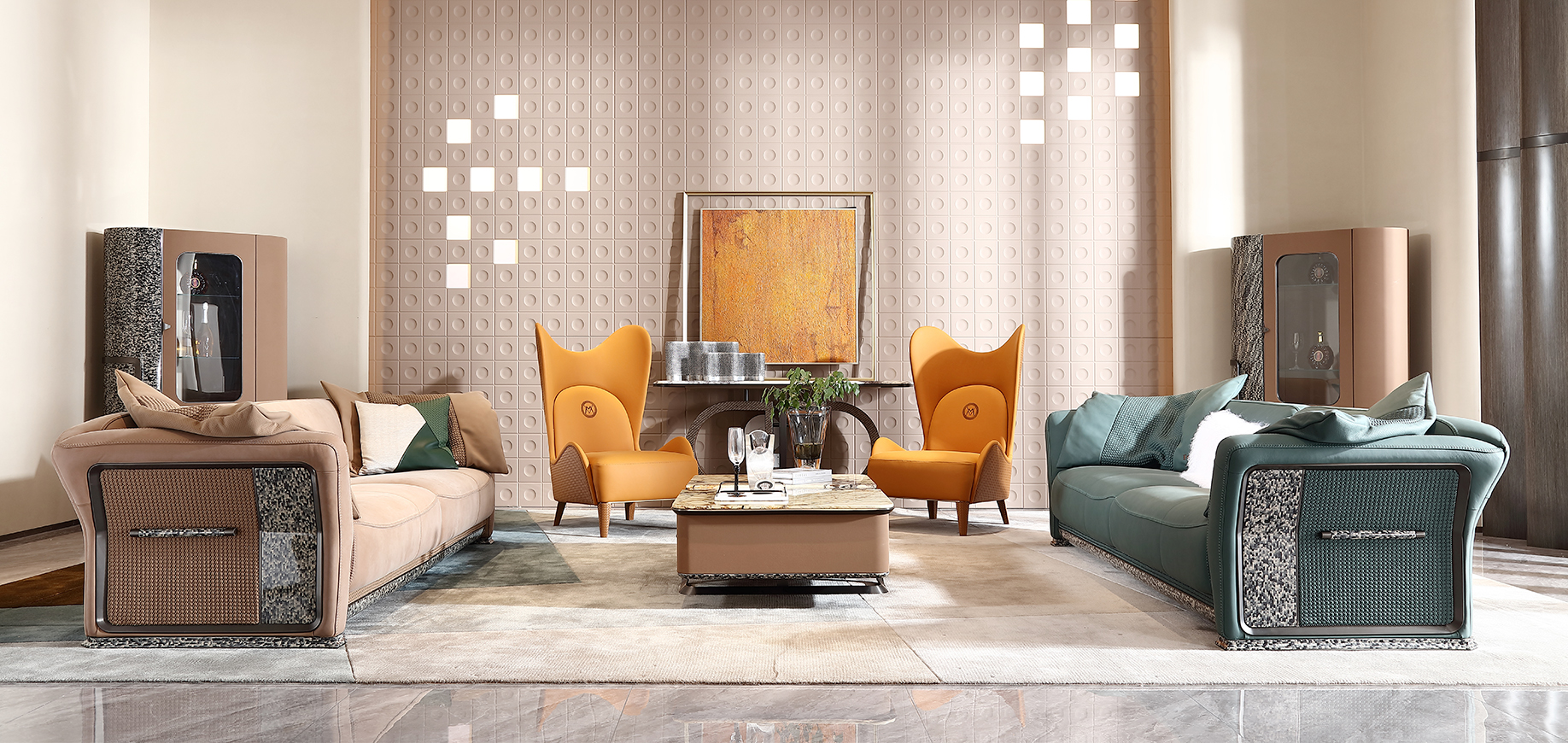
Leather upholstery is timeless yet symbolises contemporary luxury at its best. As a lifestyle choice, leather designs enhance the aesthetics of your home, bringing character and durable comfort for years to come.
If treated correctly, leather will look good for years and require very little maintenance.
In order to retain the softness and attractive appearance, start by treating with Leather Protection Cream, which contains the necessary nutritional fat and moisture components.
Recommended usage 2-4 times a year as required.
General care instructions for leather
Always protect your leather furniture against direct sunlight.
Never place your furniture too close to a radiator or similar source of heat. Make sure that there is minimum 20-30 cm space between your furniture and your heat source. If next to fire places/stoves make sure the distance is at least 100cm.
Careful vacuum cleaning on a regular basis is recommended.
Only use the soft brush nozzle on your vacuum cleaner.
After vacuum cleaning, dust off with a soft neutral coloured cloth soaked in lukewarm water. After wiping furniture with this cloth, wipe it off again with a dry cloth.
Special attention
Over the years, aniline leather will become even more beautiful and add character to the furniture piece.
Due to the colouring method used, the colour fastness of aniline leather is lower compared to corrected leather, so the leather needs extra protection from sunlight to avoid fading. Before putting the furniture piece to use, we recommend that you treat the leather with Leather Protection Cream to obtain a surface that is easier to maintain. Without treatment, the leather will quickly be sensitive to liquids, dirt, etc. and consequently be harder to clean.
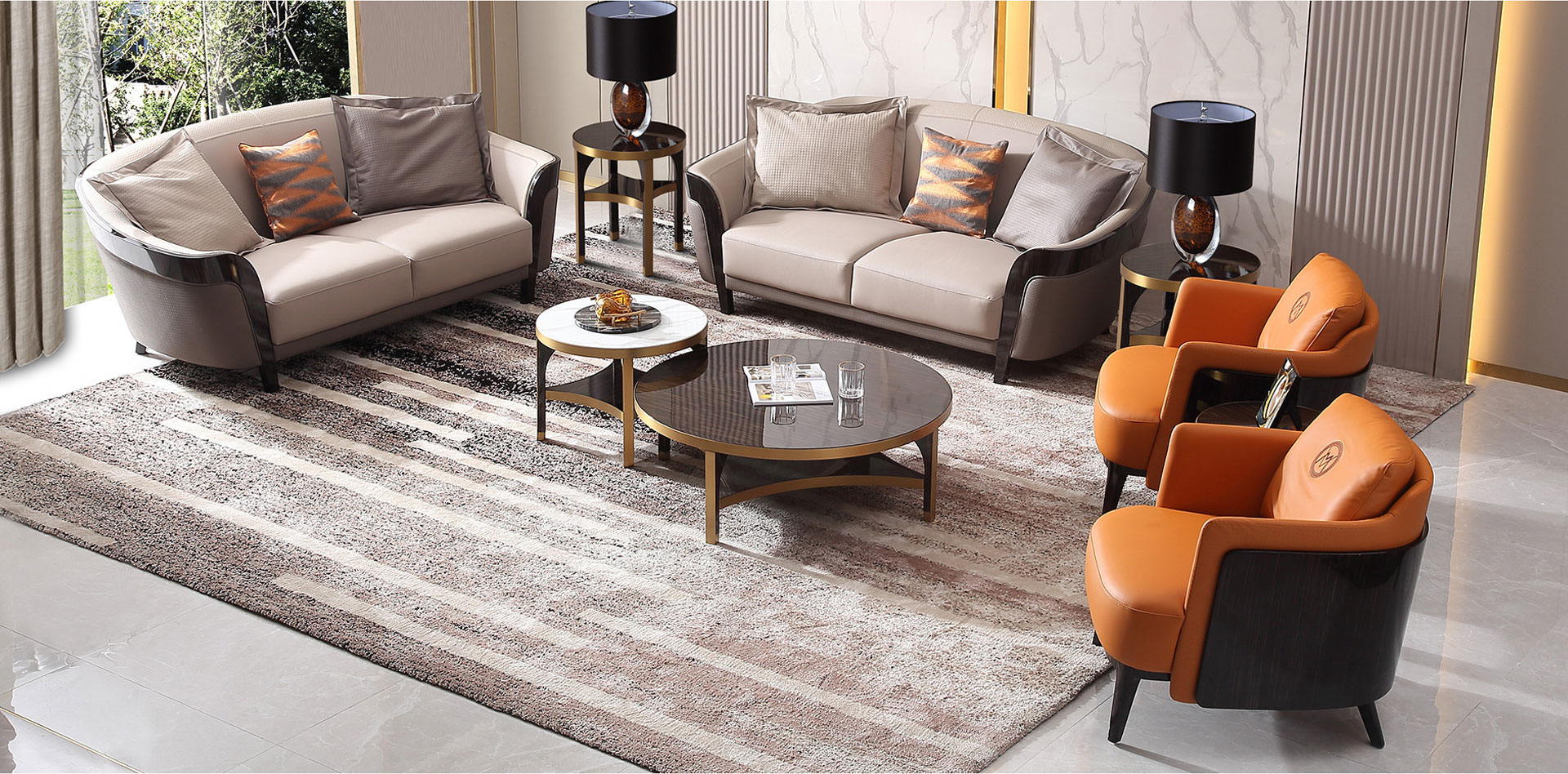
Soft and sumptuous velvet — perfect on cold evenings to curl up on with a new book. Or, a creamy wool weave caught your eye with its light luxurious feel.
Now you’ve chosen the perfect fabric, how do you look after it? Caring for upholstery might seem intimidating. But in reality, it’s easy. We want your fabric to always look beautiful. Our simple but effective care tips will help you keep your designs bright and fresh for years to come.
General maintenance:Give your designs the love they deserve and ensure that they are prepared for the strain of everyday use.
Vacuum:Get rid of damaging dust particles, by gently vacuuming your upholstery on a regular basis. Just remember to always use a soft brush nozzle as you don’t want to risk catching fabric threads.
No sunlight, no chemicals:Direct sunlight will fade your fabrics making them look dull and bland. Also, chemical products (like paint or nail polish remover) are firmly in the ‘must avoid’ category of care. They cause fading, discoloration and stains. Likewise, limit humidity levels as these cause a whole host of problems such as mould.
In case of accidents:Accidents can happen. Be prepared and ensure that your beautiful furniture recovers without permanent damage.
Cushion love:It’s not unusual for some fabrics to develop creases and depressions, especially after transportation. Gently pat cushions back into shape and regularly stretch out materials to avoid swelling or bulging. And, remember to turn soft cushions often so they don’t become uneven. Products made with Polydown enjoy a more vigorous shake a few times a week, and dehumidification — especially if you use them a lot.
Spot clean:Accidents happen. But, if you spill a cup of coffee, resist the urge to put your fabric into the washing machine. Instead, dab the area with a dry clean cloth or blotting paper. Avoid adding too much pressure or smudging as this will cause the stain to penetrate through the fibres — making it far more difficult to remove. For tough spots, we recommend the BoConcept fabric cleaner.
Dry-clean only:You can dry-clean removable covers, but only in extreme cases. Mainly because dry-cleaning causes temporary shrinkage. If you do find yourself in this situation, just give your upholstery a quick stretch before you re-fit it.
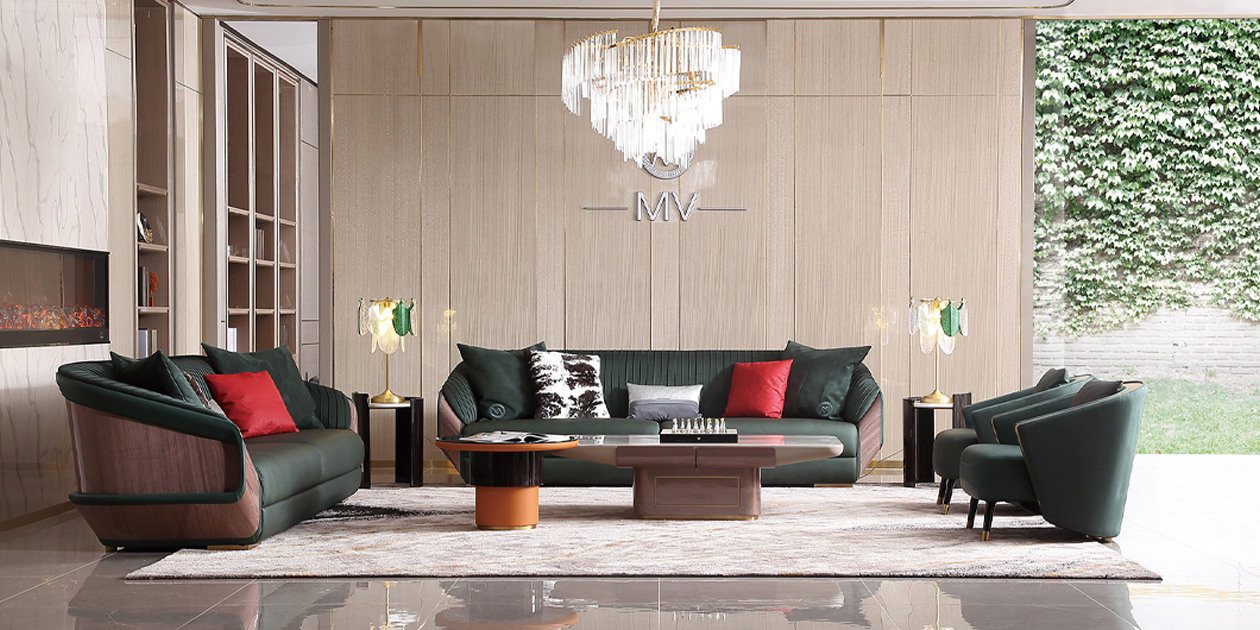
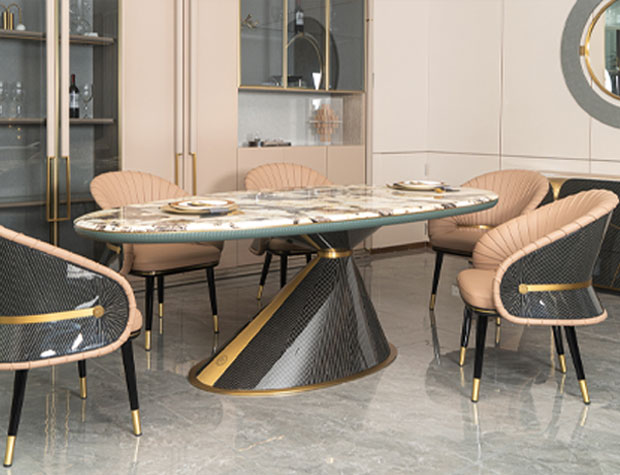
Wood and veneer are affected by light:For the first 6-8 weeks, when the item is first absorbing the surrounding light, keep the surfaces clear of any objects to avoid permanent marks and circles. At first, new furniture will also need time to absorb light before it will match the tone of your existing furniture
Be Mindful:Although our wooden designs need no initial treatment, please be mindful of where you place them in relation to air conditioners and heat sources in your home. These harsh conditions can cause unwanted deformation, discoloration, cracking and/or warping.
Keep it clean:Meet microfibre, your furniture’s new best friend. This softer cloth is ideal for wiping dust and dirt off, without the worry of damage. For days when dusting just won’t do, soak the cloth in lukewarm water with a small amount of pH neutral detergent and give the surface a quick wipe before finishing with a dry cloth.
Protect in style:You want to protect the surface from hot and/or moist objects but resist any urge to use a magazine or newspaper as a barrier. The ink on these can easily stain or act as an adhesive under heat. Instead, opt for a set of coasters or placemats. Not only will they protect your furniture, but they are perfect for incorporating a bit of personality into your decor.
Wood and veneer are very sensitive to liquids. Wipe up spilled liquids immediately.
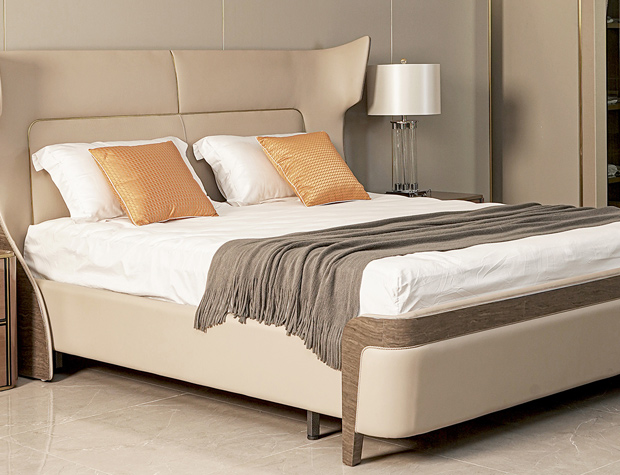
Tables must be treated with a very durable surface to withstand everyday use. As an ultraviolet based lacquer or a polyester finish. Both types are really resistant and they hardly react to daylight exposure.
General care instructions for painted/lacquered surfaces
Do not use any kind of scrub sponge or detergent consisting of grain as it will scratch the finish.
Do not rub the surface as this may change the finish.
Do not leave wet spills on the surface. You must use a dry cloth to remove the spilt fluid immediately.
Providing these items with the proper care and maintenance will aid in preserving both their appearance and functionality, extending their longevity and ensuring that they will last for years to come. This will even help you to live a more sustainable and mindful lifestyle, as you will be able to keep your pieces for longer.
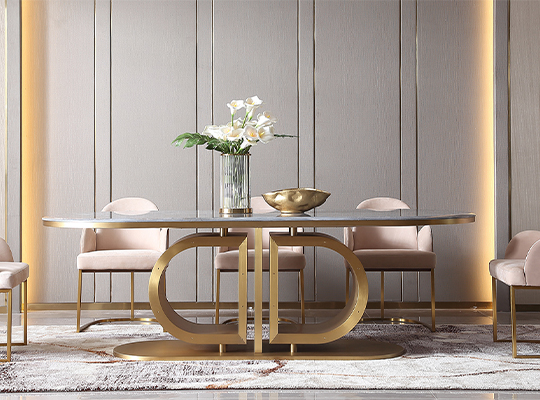
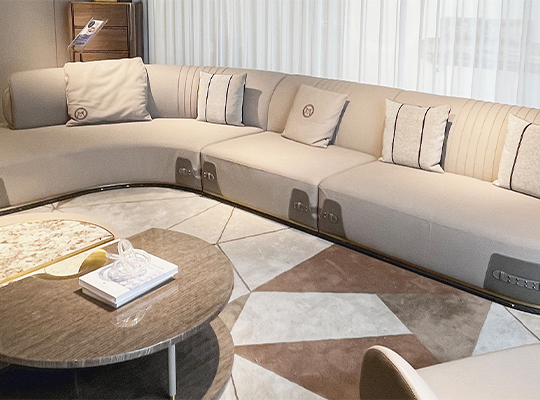
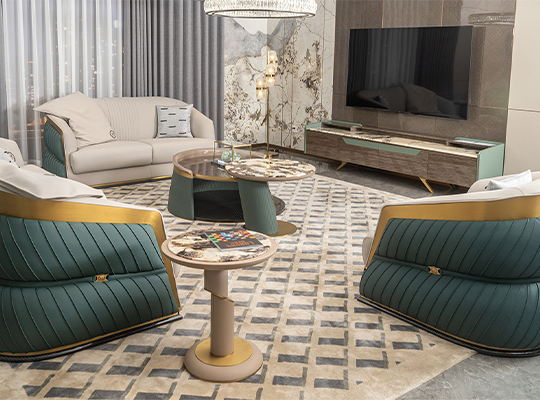
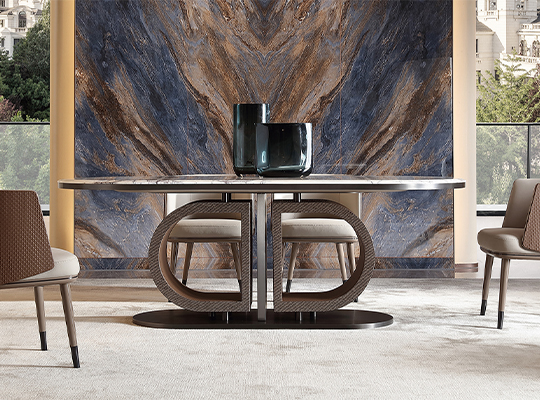
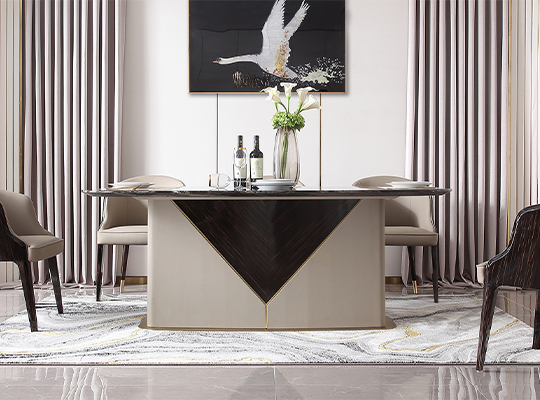
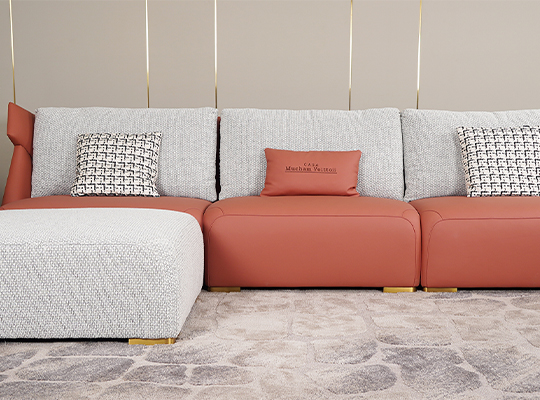
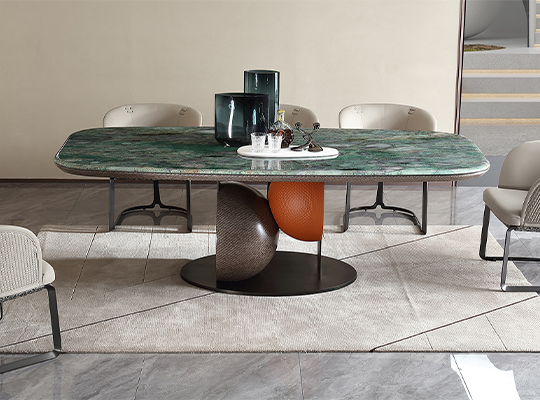
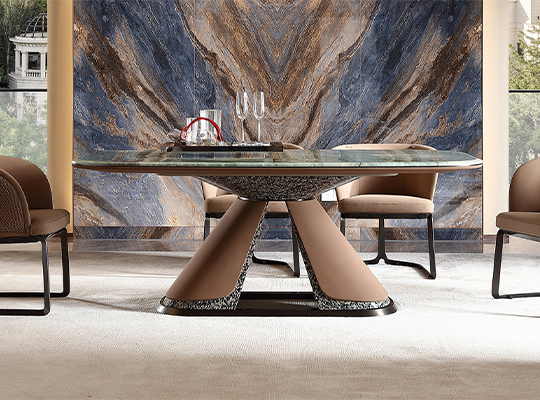
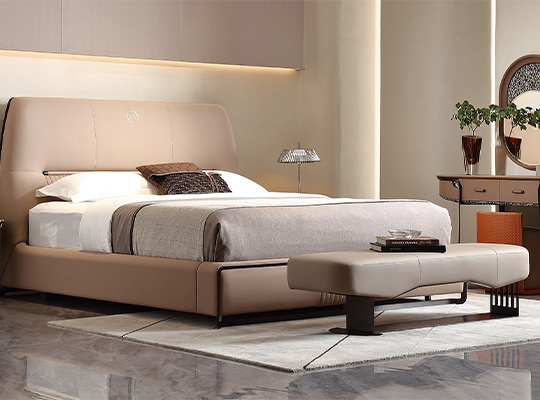
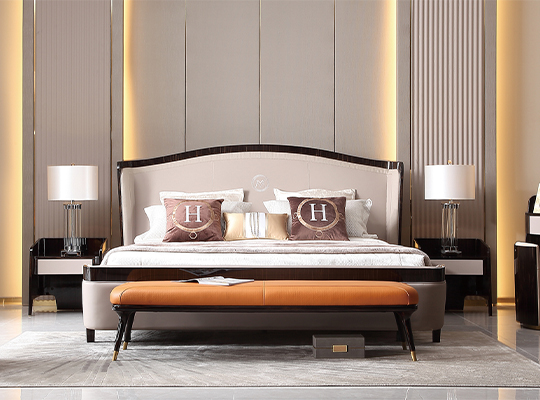
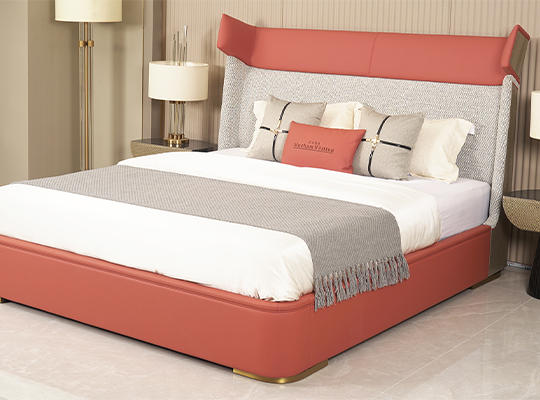
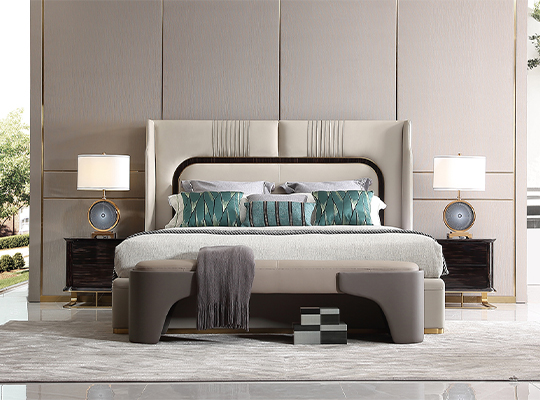
Beginning the journey of nurturing your interior pieces with the ideal care and maintenance may feel daunting, as each material requires different types of care. So let us help you on your journey with these tips and tricks on how to best care for the different materials you will likely have in your home
1. Always follow any care instructions included with the specific product.
2. Products made from natural materials will have unique colour/surface variations.
3. Always use mild cleaning agents – never use harsh, chemical cleaning products.
4. To preserve the colour of the materials, avoid direct sunlight whenever possible.
5. Never place products close to heat sources.
6. Always protect surfaces against direct heat, humidity and strongly coloured items.
7. Unless items are explicitly approved for outdoor use, they are meant for indoor use and should never be used outdoors.
Beginning the journey of nurturing your interior pieces with the ideal care and maintenance may feel daunting, as each material requires different types of care. So let us help you on your journey with these tips and tricks on how to best care for the different materials you will likely have in your home
1. Always follow any care instructions included with the specific product.
2. Products made from natural materials will have unique colour/surface variations.
3. Always use mild cleaning agents – never use harsh, chemical cleaning products.
4. To preserve the colour of the materials, avoid direct sunlight whenever possible.
5. Never place products close to heat sources.
6. Always protect surfaces against direct heat, humidity and strongly coloured items.
7. Unless items are explicitly approved for outdoor use, they are meant for indoor use and should never be used outdoors.